

Quick answer
A factory for rent johor checklist should verify industrial use, power supply, ceiling height, floor loading, loading bay access, container access, yard space, built-up area, and land area before considering location fit. Manufacturers should also compare operational needs across Senai Kulai, Pasir Gudang, Tanjung Langsat, Johor Bahru, Tampoi, Tebrau, Kempas, and Gelang Patah.
Key Takeaways
- Start with operational suitability, not rental price, because the wrong specification can disrupt production and logistics.
- Check technical essentials such as power supply, ceiling height, floor loading, loading bay, container access, and yard space.
- Match the property to your industrial use, built-up area, and land area requirements, especially for expansion or equipment-heavy operations.
- Compare location trade-offs across Senai Kulai, Pasir Gudang, Tanjung Langsat, Johor Bahru, Tampoi, Tebrau, Kempas, and Gelang Patah based on supply chain and transport needs.
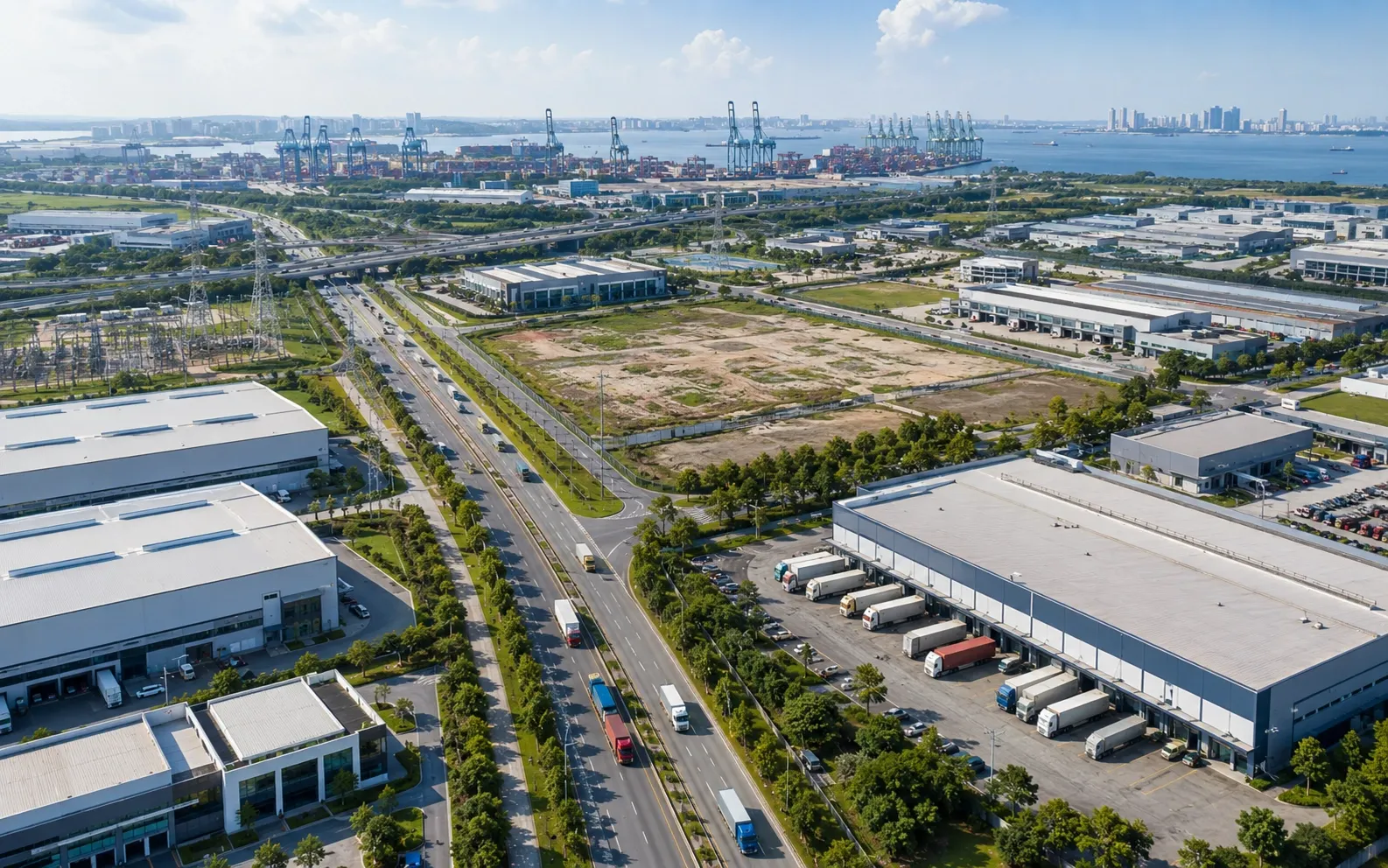
What should you check before renting a factory in Johor?
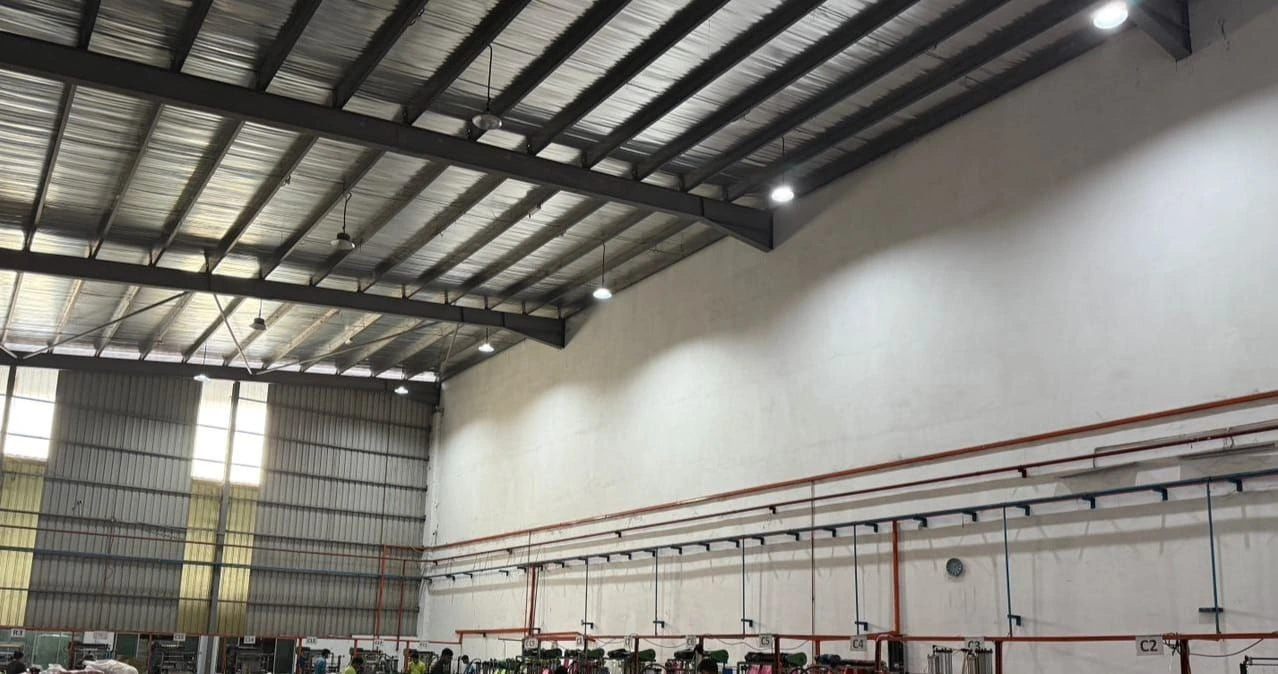
Business activity fit
The first step in any factory for rent johor checklist is matching the property to your actual business activity. A light assembly operation, food processing line, precision engineering workshop, or storage-heavy distribution hub will each need different specifications. For example, a plant with taller racking and bulk material handling may need higher ceiling height and wider loading bay access, while production with heavy equipment must verify floor loading and power supply early. You should also confirm the intended industrial use before shortlisting. Some properties may suit general manufacturing, warehousing, or logistics, while others are more appropriate for specific operations that need cleaner layouts, stronger utilities, or open yard space. If your business expects future expansion, compare both built-up area and land area so you know whether there is room for additional machinery, storage, or operational changes later. Location still matters, but it should support the business model rather than define it. For example, Senai Kulai may suit firms that prioritise connectivity to the airport and central Johor corridors, while Pasir Gudang and Tanjung Langsat are often evaluated for port-linked industrial activity. Johor Bahru, Tampoi, Tebrau, Kempas, and Gelang Patah each have different trade-offs in access, workforce catchment, and industrial zoning, so the right choice depends on the manufacturer’s operating flow.Shortlisting filter
Use a simple filter before arranging viewings:- Confirm industrial use and whether the lot supports your process.
- Check built-up area versus land area for present and future needs.
- Verify power supply, ceiling height, floor loading, loading bay, container access, and yard space.
- Compare transport convenience, supplier access, and delivery routes.
- Review any fit-out or modification needs before signing.
Why rental price alone is not enough when comparing factories
The headline rent is only one part of the decision. A lower monthly rate can become more expensive if the unit needs upgrades, slows production flow, or creates layout and compliance problems for your operation.Operating cost vs usable fit
A better comparison starts with the full operating picture: rent, fit-out cost, utility usage, logistics efficiency, and the space you can actually use. A factory with a lower asking price may have a smaller effective working area, older infrastructure, or restrictions that increase your setup time and ongoing expenses. For example, a unit with stronger power supply and better truck movement may reduce downtime and handling costs even if the rent is slightly higher. Likewise, a space with appropriate ceiling height and floor loading can support production equipment more safely than a cheaper unit that needs structural work before installation. These details affect productivity, not just occupancy cost.Hidden fit issues
A factory can look attractive on paper but still be unsuitable for the business model. The most common issue is mismatch between the building and the process: a food processor, light assembler, or warehouse-oriented operator may need very different specifications. This is why the manufacturer factory checklist should always test the property against actual operations before comparing prices. Key items to review include:- Loading bay position and truck circulation
- Container access for receiving and dispatch
- Yard space for staging, parking, or temporary storage
- Built-up area versus land area to understand what is enclosed and what remains available for future expansion
- The intended industrial use and whether it matches your activity
The cheapest rent is not the cheapest option if the factory cannot support your machines, movement, and daily operations efficiently.
View only after pre-checks
Before arranging a viewing, screen each listing against your core requirements and remove obvious mismatches first. If you need help narrowing options across Johor and comparing rental factory Johor choices more systematically, Our Services can support your search with rental, sales, and build-to-suit guidance.How do you match industrial use, space, and technical specs to your operation?
Match the factory to your process first, then compare the physical and utility specifications against your equipment, storage, and vehicle flow. A suitable unit should support production, receiving, dispatch, and future growth without forcing costly rework.Land area vs built-up area
Land area is the total site size, while built-up area is the enclosed floor space used for production, office, storage, or support functions. Both matter because a larger built-up area may still leave too little land for parking, staging, or truck circulation, especially for manufacturers with frequent inbound and outbound movement.Power supply and electrical capacity
Power supply should be reviewed against your machinery list, not just your current monthly usage. Check whether the premises can support your planned load, phase requirement, transformer needs, and any backup systems for sensitive operations. For example, a light assembly operation may need less capacity than a plant running compressors, chillers, welding equipment, or automated lines. Existing electrical infrastructure can reduce setup work, but it should still be verified against your own engineering requirements.Ceiling height, floor loading, and layout
Ceiling height affects racking, ventilation, crane movement, and heat management. Floor loading matters if you install heavy machines, storage racks, or palletised inventory. Layout is equally important: a narrow internal plan may create bottlenecks even when the unit looks spacious on paper.| Feature | What to check | Why it matters for operations | Common manufacturer impact |
|---|---|---|---|
| Land area | Space for parking, truck turning, yard use, and future expansion | Supports traffic flow and operational flexibility | Important for logistics-heavy or growing users |
| Built-up area | Enclosed production, storage, office, and utility zones | Determines usable internal working space | Critical for production planning and storage allocation |
| Power supply | Existing electrical capacity and suitability for equipment demand | Affects machine operation and plant stability | Essential for lines, compressors, and chilled processes |
| Ceiling height | Clearance for racks, equipment, and ventilation | Influences vertical storage and production comfort | Useful for warehousing and material handling |
| Floor loading | Load tolerance for machinery and stock | Prevents structural stress and safety issues | Necessary for heavy equipment and dense storage |
| Loading bay | Position, number, and access width | Speeds receiving and dispatch | Key for regular lorry movements |
| Container access | Entry route and turning space for container trucks | Improves delivery efficiency | Important for import/export users |
| Yard space | Open area for staging, parking, or temporary storage | Supports smoother site operations | Valuable for manufacturers with fluctuating volumes |
FeatureLand area
What to checkSpace for parking, truck turning, yard use, and future expansion
Why it matters for operationsSupports traffic flow and operational flexibility
Common manufacturer impactImportant for logistics-heavy or growing users
FeatureBuilt-up area
What to checkEnclosed production, storage, office, and utility zones
Why it matters for operationsDetermines usable internal working space
Common manufacturer impactCritical for production planning and storage allocation
FeaturePower supply
What to checkExisting electrical capacity and suitability for equipment demand
Why it matters for operationsAffects machine operation and plant stability
Common manufacturer impactEssential for lines, compressors, and chilled processes
FeatureCeiling height
What to checkClearance for racks, equipment, and ventilation
Why it matters for operationsInfluences vertical storage and production comfort
Common manufacturer impactUseful for warehousing and material handling
FeatureFloor loading
What to checkLoad tolerance for machinery and stock
Why it matters for operationsPrevents structural stress and safety issues
Common manufacturer impactNecessary for heavy equipment and dense storage
FeatureLoading bay
What to checkPosition, number, and access width
Why it matters for operationsSpeeds receiving and dispatch
Common manufacturer impactKey for regular lorry movements
FeatureContainer access
What to checkEntry route and turning space for container trucks
Why it matters for operationsImproves delivery efficiency
Common manufacturer impactImportant for import/export users
FeatureYard space
What to checkOpen area for staging, parking, or temporary storage
Why it matters for operationsSupports smoother site operations
Common manufacturer impactValuable for manufacturers with fluctuating volumes

Johor factory location comparison for operational needs
The right location depends on your operating model: logistics-heavy users often prioritise container-friendly access and yard space, while light manufacturing or assembly teams may value faster access to Johor Bahru-based labour, services, and suppliers. For any factory rental Johor decision, compare the site by how it supports production flow, not just by monthly rent.| Location | Operational use case | Access profile | Best fit for manufacturers |
|---|---|---|---|
| Senai Kulai | Regional distribution, assembly, and warehousing | Strong access to airport-adjacent industrial corridors and major highways | Businesses that need balanced logistics, expansion room, and easier movement of materials |
| Pasir Gudang and Tanjung Langsat | Port-linked manufacturing, bulk handling, and export-oriented operations | Useful for sea freight, heavy vehicles, and industrial clusters | Operators with import/export flow, raw material movement, or heavier industrial use |
| Johor Bahru | Office-linked production, light assembly, and mixed-use operations | Close to city services, labour pool, and wider business network | Smaller manufacturers that need convenience and fast support services |
| Tampoi | Light industrial work, packaging, support workshops, and urban servicing | Convenient for business services and central Johor Bahru access | Firms seeking compact premises with practical day-to-day access |
| Tebrau | General production, assembly, storage, and supply-chain support | Good connectivity to established industrial corridors and commercial activity | Businesses needing a flexible location for routine manufacturing operations |
| Kempas | Workshops, fabrication, and mid-scale industrial use | Access to key arterial routes with a more industrial operating profile | Companies that want practical industrial space without a city-core setting |
LocationSenai Kulai
Operational use caseRegional distribution, assembly, and warehousing
Access profileStrong access to airport-adjacent industrial corridors and major highways
Best fit for manufacturersBusinesses that need balanced logistics, expansion room, and easier movement of materials
LocationPasir Gudang and Tanjung Langsat
Operational use casePort-linked manufacturing, bulk handling, and export-oriented operations
Access profileUseful for sea freight, heavy vehicles, and industrial clusters
Best fit for manufacturersOperators with import/export flow, raw material movement, or heavier industrial use
LocationJohor Bahru
Operational use caseOffice-linked production, light assembly, and mixed-use operations
Access profileClose to city services, labour pool, and wider business network
Best fit for manufacturersSmaller manufacturers that need convenience and fast support services
LocationTampoi
Operational use caseLight industrial work, packaging, support workshops, and urban servicing
Access profileConvenient for business services and central Johor Bahru access
Best fit for manufacturersFirms seeking compact premises with practical day-to-day access
LocationTebrau
Operational use caseGeneral production, assembly, storage, and supply-chain support
Access profileGood connectivity to established industrial corridors and commercial activity
Best fit for manufacturersBusinesses needing a flexible location for routine manufacturing operations
LocationKempas
Operational use caseWorkshops, fabrication, and mid-scale industrial use
Access profileAccess to key arterial routes with a more industrial operating profile
Best fit for manufacturersCompanies that want practical industrial space without a city-core setting
Senai Kulai
Senai Kulai is often considered by manufacturers that need room to scale and straightforward goods movement. It is a practical fit when your operations depend on frequent deliveries, staff mobility, and a layout that can support both production and storage. For readers comparing industrial land and factory options, the provider’s Senai Kulai Industrial Land: Investment Hub in Johor guide can help frame this area in operational terms.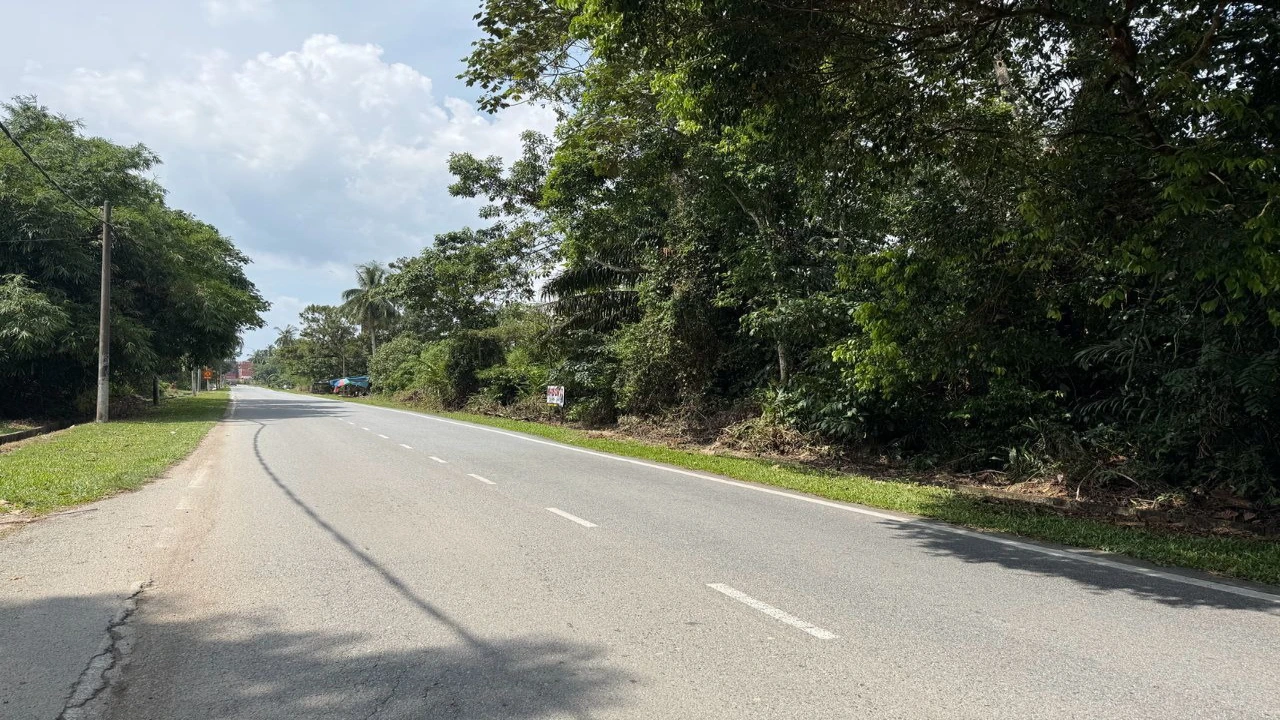
Pasir Gudang and Tanjung Langsat
These locations suit users with stronger logistics, port-related handling, or industrial processing needs. They are commonly assessed by companies that move materials in and out regularly, especially where container access, loading discipline, and industrial zoning matter more than central-city convenience.Johor Bahru
Johor Bahru is better suited to manufacturers that want close access to business services, suppliers, and a broader workforce base. It can work well for lighter production, final assembly, or support functions that benefit from being near the urban business ecosystem.Tampoi
Tampoi is often practical for smaller industrial users, especially those with workshop-style activity or service-linked operations. It is useful when the business needs functional premises and easy access to Johor Bahru without the requirements of a heavier industrial corridor.Tebrau
Tebrau is a balanced choice for businesses that want a mix of access, visibility, and operational flexibility. It can suit manufacturers looking for a site that supports day-to-day production while staying connected to established commercial and industrial activity.Kempas
Kempas is a sensible option for fabrication, repair, and mid-sized industrial operations that need a straightforward working environment. For many businesses, it offers a practical compromise between accessibility and an industrial setting that supports routine operations.Manufacturer factory checklist and lease checklist before you request a shortlist
Before you ask for a shortlist, prepare a clear manufacturer factory checklist that covers operations, utilities, and space needs. The right factory rental Johor option should match your production process, not just your budget.Pre-shortlist information to prepare
- Define your business activity and confirm the intended industrial use. A food processor, metal fabricator, or logistics-linked operation may each need different zoning fit, access, and internal layout.
- List your operational requirements in writing:
- power supply and whether three-phase support is needed
- ceiling height for racking, lifting, or equipment clearance
- floor loading for machinery, pallets, or storage
- loading bay access for trucks and daily movement
- container access for 20-foot or 40-foot deliveries
- yard space for turning, staging, or external storage
- Separate land area from built-up area. Land area affects vehicle movement, future expansion, and yard use, while built-up area affects usable production space, office sections, and storage planning.
- Prepare a simple space estimate by department. For example, production, raw materials, finished goods, packing, and office functions may need different floor zones.
- Shortlist by corridor and logistics fit. In Johor, locations such as Senai Kulai, Pasir Gudang, Tanjung Langsat, Johor Bahru, Tampoi, Tebrau, Kempas, and Gelang Patah can serve different manufacturing and distribution needs.
Lease terms to verify
- Check the lease duration, renewal options, and any break clause that may affect business continuity.
- Confirm what is included in the rent: the building only, shared facilities, security, maintenance, or external yard usage.
- Review permitted alterations, reinstatement obligations, subletting rules, and repair responsibilities.
- Ask whether the unit can support your equipment load, logistics pattern, and shift pattern without major redesign.
- Verify utility connections, access hours, truck circulation, and any site management rules before proceeding.
Questions to ask before viewing
- Is the unit suitable for your current production line and near-term growth?
- Can the existing layout support your equipment, storage, and loading flow?
- Are there any restrictions on noise, waste handling, or heavy vehicle movement?
- What documents are needed before the lease can be progressed?
Frequently Asked Questions
What should I check before renting a factory in Johor?
Start with whether the property matches your business activity, machinery, and logistics needs. A factory for rent johor checklist should also confirm electrical capacity, ceiling height, floor loading, access for trucks, and space for future expansion.
Why isn’t the rental price enough when choosing a factory?
A lower rent can become expensive if the building needs electrical upgrades, structural changes, or layout modifications. The right factory should support efficient production and transport, not just fit the budget on paper.
What is the difference between land area and built-up area in an industrial property?
Built-up area is the enclosed space you can use inside the factory, while land area includes the full plot size. Both matter because a factory for rent johor checklist should confirm there is enough internal operating space and enough external room for parking, storage, and movement.
How do I know if the electrical supply is suitable for my factory?
Check the existing power capacity, the type of supply available, and whether the landlord allows upgrades. If your equipment needs high load demand, confirm the cost and feasibility of adding more power before signing the lease.
Which building specifications are most important for manufacturing operations?
Look closely at clear ceiling height, floor loading, and column spacing because they affect machinery placement, racking, and workflow. These details can determine whether the factory can run safely and efficiently without costly redesigns.
References
- Department of Occupational Safety and Health Malaysia (DOSH) — Department of Occupational Safety and Health Malaysia (DOSH)
- Malaysian Investment Development Authority (MIDA) — Malaysian Investment Development Authority (MIDA)
- Malaysian Investment Development Authority (MIDA) — Malaysian Investment Development Authority (MIDA)
- Fire and Rescue Department of Malaysia (Jabatan Bomba dan Penyelamat Malaysia) — Fire and Rescue Department of Malaysia (Jabatan Bomba dan Penyelamat Malaysia)
- Malaysian Investment Development Authority (MIDA) — Malaysian Investment Development Authority (MIDA)