

For logistics operators, 3PL teams, distributors and e-commerce fulfilment users, warehouse selection in Johor should start with how the facility actually performs on the ground. This guide focuses on
Quick answer
A johor warehouse logistics inspection checklist should verify truck access, loading bay layout, clear height, floor loading, yard turning space, utilities, fire safety, zoning suitability, lease obligations and expansion potential before signing. In Johor, compare each site against your actual distribution flow, vehicle type, storage profile and corridor access to Senai/Kulai, Pasir Gudang/Johor Port, or Gelang Patah/PTP.
Key Takeaways
- Check operational fit first: access, loading, height, floor strength and yard movement matter more than asking rent alone.
- Inspect utilities, safety systems and lease terms on site because specifications can change and must be reconfirmed.
- Compare Johor logistics corridors based on your route profile, cargo type and delivery pattern.
- Use an inspection checklist to reduce disruption, hidden upgrade costs and lease mismatches before committing.
For logistics operators, 3PL teams, distributors and e-commerce fulfilment users, warehouse selection in Johor should start with how the facility actually performs on the ground. This guide focuses on the practical checks that matter during a warehouse viewing: truck circulation, loading bay design, racking compatibility, clear height, floor loading, utilities, safety systems and lease obligations. It also shows how to compare Senai/Kulai, Pasir Gudang/Johor Port and Gelang Patah/PTP based on operational flow, not assumptions. If you need shortlisting support, Johor Industrial Space can help evaluate warehouse options against your movement, storage and expansion requirements.
What should you inspect before renting a warehouse in Johor?
Inspect the site as an operating asset, not just a rented shell. For a johor warehouse logistics inspection checklist, focus on how trucks enter, load, turn, stage, and exit, then confirm whether the building can support your storage method, safety needs, and future throughput.
Use a simple inspection scorecard
A practical warehouse inspection scorecard should cover six areas: access roads and gate flow, loading bay count and height match, clear height and racking fit, floor loading capacity, yard circulation, and utilities. Score each item from 1 to 5 during the viewing so you can compare properties consistently across Senai/Kulai, Pasir Gudang/Johor Port, and Gelang Patah/PTP.
What to verify on site
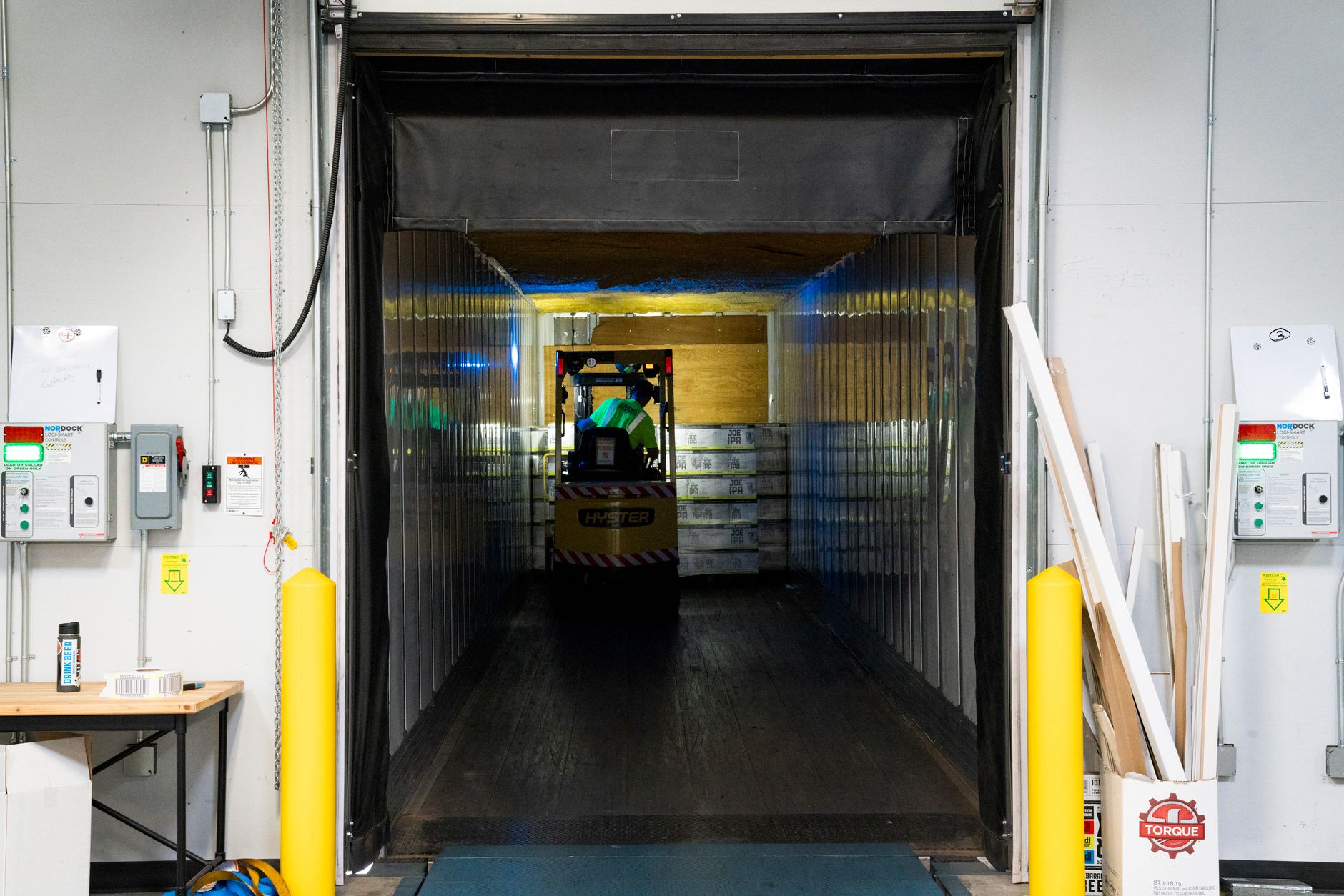
Start with the loading bay checklist: bay width, dock leveller condition, truck reversing space, canopies, and whether container trucks can manoeuvre without blocking internal circulation. Then check warehouse clear height requirements against your racking plan, mezzanine needs, and handling equipment. For high-bay operations, even a small shortfall can reduce usable storage efficiency.
Also confirm floor loading, column spacing, and slab condition if you plan to use pallet racking, reach trucks, or denser storage. Ask for utility details on power capacity, water supply, drainage, lighting, and any back-up arrangements. In Malaysia, fire safety features such as sprinklers, alarm systems, extinguishers, and access to fire exits should be rechecked during the lease inspection because site condition can differ from brochure specifications.
Corridor fit matters
The right location depends on route pattern as much as rent. Senai/Kulai suits inland distribution and wider land-led expansion, while Pasir Gudang/Johor Port is better aligned to port-linked cargo flow. Gelang Patah/PTP is often assessed for western Johor logistics corridors tied to cross-border movement and container activity.
If you want a structured review, Johor Industrial Space can help turn site observations into a practical decision before you sign.
How do you score a warehouse on access, loading and layout?
Score it by how well the building supports your actual vehicle flow, dock operations and storage design—not by rent alone. A good site should let trucks enter, load and exit safely, while matching your racking plan, handling equipment and turnaround targets.
Truck and container access
Start with access roads, turning radius and gate width. For container-heavy operations, test whether a 40-foot trailer can enter, reverse and leave without disrupting other vehicles. If the warehouse sits inside a busy industrial cluster, confirm that peak-hour congestion will not slow dispatches. The best Johor sites also have clear internal circulation for forklifts and pallet trucks.
Loading bay and dock configuration
Use this warehouse inspection scorecard to compare shortlisted buildings on site:
| Feature | What to check on site | Why it matters | Red flags for logistics, 3PL and e-commerce users |
|---|---|---|---|
| Truck access | Road width, gate size, turning space, trailer approach angle | Prevents bottlenecks and unsafe manoeuvres | Narrow entrance, blind corners, poor queuing space |
| Loading bays | Dock count, bay height, dock levellers, dock shelter condition | Supports faster inbound and outbound flow | Too few docks, uneven bay levels, damaged shutters |
| Yard circulation | Internal lane width, reversing area, pedestrian separation | Reduces congestion and accident risk | Cross-traffic at peak time, shared blind spots |
| Security | Guardhouse position, perimeter fencing, CCTV coverage, visitor control | Protects goods, vehicles and staff | Weak perimeter control, dead camera zones |
| Fire safety | Extinguishers, exits, alarms, sprinkler coverage, signage | Lowers operational and insurance risk | Blocked exits, missing equipment, poor signage |
| Utilities | Power capacity, water points, drainage, lighting | Supports scanners, cold-chain tools and day-to-day work | Undersized supply, poor lighting, water pooling |
| Maintenance | Roof condition, floor cracks, dock wear, servicing records | Reduces disruption and hidden repair costs | Leaks, patch repairs, deferred upkeep |
Clear height, floor loading and racking fit
Check the usable clear height, not just the gross building height. Ask whether your intended racking plus safety clearance fits comfortably, especially if you use reach trucks or plan future vertical expansion. Floor loading should match pallet density, rack legs and turning loads; a slab that looks serviceable may still be unsuitable for heavier storage systems.
A practical rule is to verify whether the layout supports straight-line movement from receiving to storage to dispatch. That matters across Johor logistics corridors, especially for inland distribution in Senai/Kulai, port-linked flows in Pasir Gudang/Johor Port, and cross-border or container-oriented operations near Gelang Patah/PTP. If you need shortlist support, Our Services can help compare buildings on operational fit, not just asking price.
Which Johor logistics corridor fits your operation best?
The best corridor depends on what moves through the building: inland distribution, port-heavy cargo, or cross-border/container handling. For a warehouse rental checklist in Johor, match the location to your truck mix, customs workflow, yard needs, and growth plans—not just the monthly rent.
| Corridor | Typical user profile | Access characteristics | Best logistics use case | Practical trade-offs |
|---|---|---|---|---|
| Senai / Kulai | Regional distributors, light manufacturing, e-commerce fulfilment, suppliers serving inland Johor | Suited to road-based distribution and broader inland catchments; often evaluated for truck maneuvering and expansion flexibility | General warehousing, packaging, inventory buffering, and multi-client distribution | Usually less port-centric, so it may be less efficient for cargo that depends on immediate seaport turnaround |
| Pasir Gudang / Johor Port | Importers, exporters, bulk handlers, bonded or port-linked operators | Strong fit for port-adjacent flows and container-related movements; check gate procedures and truck queuing space carefully | Import/export staging, container stripping, export consolidation, and commodity-linked storage | Port traffic and surrounding industrial activity can make yard planning and circulation more demanding |
| Gelang Patah / PTP | Container operators, transshipment support, regional logistics teams, firms with cross-border or port-adjacent routing needs | Useful for access to west-side industrial movement and port-linked supply chains; assess road access and peak-hour truck movement | Container handling support, international cargo staging, and logistics coordination | Best suited to operations that truly benefit from port proximity; not every occupier will need that cost structure |
Senai / Kulai
This corridor is often a practical fit for operators that need a balanced warehouse location for domestic distribution and industrial supply chains. When reviewing buildings here, prioritise vehicle circulation, yard shape, and room for future shelving or dispatch growth. If your business expects more SKUs or more frequent dispatches, this is where flexibility matters most.
Pasir Gudang / Johor Port
Choose this area when your workflow is tied to vessels, container movement, or port-facing customers. The key question is whether the site supports clean inbound and outbound separation, especially around loading bays and trailer staging. For many occupiers, the decision is less about storage space and more about how efficiently the building supports customs-sensitive or time-sensitive cargo.
Gelang Patah / PTP
This corridor suits companies that want a logistics base aligned with western Johor’s port-linked movement patterns. It can be a strong option for container-oriented operations, but the layout must still support truck access, secure holding areas, and efficient turnaround. If you are comparing sites for long-term industrial strategy, Johor Industrial Land: How to Choose the Right Site is a useful next step.

What lease, safety and utility clauses should you verify?
Before signing, review the lease for maintenance liability, compliance responsibilities, and utility adequacy so the building can support daily operations without hidden disruption. A warehouse that looks suitable on paper can still become costly if the lease shifts repair obligations to the tenant or if power, water, drainage, or fire systems are not fit for your workflow.
Lease and compliance checks to confirm
- Repair and maintenance responsibilities: clarify who handles roof leaks, roller shutters, dock levellers, yard surfacing, and M&E servicing, and whether the tenant must restore the unit at handover.
- Fire safety systems: verify fire alarms, extinguishers, hose reels, sprinklers, emergency exits, and certification status, especially if the building stores combustible goods or uses racking.
- Security and access control: check perimeter fencing, guardhouse arrangements, CCTV coverage, gate access, visitor logging, and after-hours entry procedures.
- Power and water verification: confirm actual connected load, transformer capacity, backup provisions, meter status, water pressure, and whether the supply supports production, cooling, or charging equipment.
- Drainage and wastewater: inspect floor drains, outdoor runoff paths, grease or trade effluent requirements, and any flood-prone zones around the compound.
- Fibre readiness: check whether the unit has fibre access, where the entry point is located, and whether additional cabling or telco approvals are needed for operations systems.
- Operating restrictions: review permitted use, working hours, noise limits, hazardous material rules, truck movement restrictions, and any landlord approval needed for signage or equipment changes.
- Handover condition: document cracks, patch repairs, stains, door damage, lighting issues, and missing fittings before possession to avoid disputes later.
For occupiers comparing Johor logistics corridors, these clauses matter as much as location because they affect uptime, compliance, and cost certainty. A proper warehouse lease inspection Malaysia process should also record readings, photos, and signed defect notes at handover. If you want a practical review of options and lease points, Contact Us can help you shortlist buildings with fewer operational surprises.
Quick documentary check
Ask for the latest fire certificate, utility bills, and any landlord maintenance schedule before committing. This keeps your warehouse rental checklist Johor grounded in evidence rather than assumptions.
References: Malaysia Fire and Rescue Department (Bomba) guidance on fire safety compliance; Energy Commission Malaysia on electricity connection and load considerations; MCMC on fibre access and telecommunications infrastructure readiness.
What warehouse requirements should you prepare before shortlisting?
Before you start viewing buildings, define the operational brief in writing: what you store, how goods move, what vehicles you use, and how much room you need to grow. A clear requirements list helps you compare options on function first, then price, instead of choosing a space that looks suitable but disrupts operations later.
Use this copyable template to brief landlords and agents:
- Operation type: manufacturing support, import/export distribution, bonded storage, e-commerce fulfilment, or 3PL overflow.
- Space size range: current usable area, minimum acceptable size, and ideal future size if volume grows.
- Truck type: 1-tonne vans, 5-tonne lorries, 40-ft containers, or mixed fleet access.
- Loading needs: number of bays, dock-level or ground-level loading, turning space, and staging area.
- Clear height: required stacking height and whether mezzanine, pallet racking, or bulk storage is planned.
- Floor loading: estimate the heaviest pallet, rack load, and machinery point load expected on site.
- Racking plan: pallet racking, selective shelving, block stacking, or temperature-sensitive zones.
- Utilities: power capacity, water, drainage, fibre readiness, and any special utility demand for cold chain or automation.
- Tenure preference: lease term length, renewal flexibility, fit-out rights, and exit conditions.
- Budget range: monthly rent target plus separate allowance for security, utilities, maintenance, and fit-out.
- Timeline: target move-in date, installation period, and commissioning milestones.
- Expansion needs: extra land, adjacent units, or future mezzanine potential.
For Johor logistics corridors, this brief should also note whether your operation is better suited to Senai/Kulai airfreight-linked movement, Pasir Gudang/port-oriented flows, or Gelang Patah/PTP container activity. The right corridor depends on supply chain timing, cargo profile, and how often trucks need to move in and out.
A practical warehouse requirements template also makes it easier to score buildings consistently during site visits. If you are comparing several premises, ask the provider to assess each option against the same operational brief and keep the discussion tied to function, compliance, and expansion capacity.
References: Malaysia Standard MS 1525 on energy efficiency considerations; DOSH Malaysia guidance on workplace safety and loading practices; Jabatan Pengangkutan Jalan on vehicle dimensions and road use compliance.
How can Johor Industrial Space help you shortlist suitable warehouses?
Johor Industrial Space can narrow the field to warehouses that fit your operations, not just your budget. The service compares location, truck movement, yard layout, loading efficiency, utilities, and lease terms so your team can shortlist properties with fewer site visits and less risk.
What does the shortlist process cover?
The provider starts with your operational brief and filters options by corridor, cargo flow, access requirements, and expansion needs. It then reviews each candidate against a warehouse inspection scorecard that looks at practical factors such as road entry, loading bay arrangement, clear height, floor loading, security controls, fire systems, and maintenance condition.
How does this help during site selection?
Instead of comparing brochures, you get an operations-first view of each asset. For example, a business moving time-sensitive imports may be guided toward Pasir Gudang or Gelang Patah, while another with airport-linked distribution may be steered toward Senai or Kulai. This is especially useful when comparing Johor logistics corridors with different access patterns, container movement, and truck turnaround demands.
What is included in the inspection support?
The provider can help build a loading bay checklist, test truck access routes, review circulation around the yard, and confirm whether the building supports your racking, storage, and handling plan. It can also flag issues that often affect warehouse lease inspection Malaysia decisions, such as insufficient power planning, weak security provisions, or unclear fit-out responsibilities.
Why use advisory support instead of choosing by rent alone?
Lower rent can be offset by poor access, limited clear height, or costly modifications. A structured shortlist reduces that risk and helps you compare premises on business impact, not just monthly cost. If you need deeper support, Our Services outlines how the team assists with sourcing, evaluation, and negotiation.
What should you ask for before finalising a viewing list?
Ask for a side-by-side comparison of access, ceiling height, loading bay geometry, floor condition, utilities, and lease flexibility. That approach is useful for manufacturers, 3PL operators, and investors who need a clear, defensible shortlist before committing to a lease.
Speak with the team for practical warehouse sourcing and shortlist support tailored to Johor industrial requirements.
Frequently Asked Questions
What should be included in a Johor warehouse logistics inspection checklist before signing a lease?
How do I compare warehouse locations in Senai/Kulai, Pasir Gudang, and Gelang Patah for operations?
What is a practical warehouse inspection scorecard for rental evaluation?
What lease terms should I check in a warehouse rental checklist Johor tenants often miss?
What should a copyable warehouse requirements template include for Johor logistics warehouse inspection?
References
- Department of Occupational Safety and Health (DOSH) Malaysia, “Guidelines on Occupational Safety and Health in Courier Services Industry 2015” — Department of Occupational Safety and Health (DOSH) Malaysia, “Guidelines on Occupational Safety and Health in Courier Services Industry 2015”
- Royal Malaysian Customs Department, “Introduction: Licensed Warehouse” — Royal Malaysian Customs Department, “Introduction: Licensed Warehouse”
- Ministry of Transport Malaysia, “Guidebook to Starting Warehousing Business in Malaysia” — Ministry of Transport Malaysia, “Guidebook to Starting Warehousing Business in Malaysia”
- Malaysian Investment Development Authority (MIDA), “Booklet 4: Logistics Services” — Malaysian Investment Development Authority (MIDA), “Booklet 4: Logistics Services”
- Occupational Safety and Health Administration (OSHA), “Warehousing - Hazards and Solutions” — Occupational Safety and Health Administration (OSHA), “Warehousing - Hazards and Solutions”